

Do you ever get home from work, sit down on the sofa and wonder where your energy has gone?
You’ve had a busy day.
You’ve answered emails.
Sat through meetings.
Solved problems.
Then you get home, the kids want your attention, there are jobs to do around the house, and all you really feel like doing is staying exactly where you are.
I get it.
I’ve got two children myself, and there are plenty of evenings when I walk through the front door feeling exactly the same.
Exercise is the last thing on my mind.
If you’re over 40, it’s easy to blame your age.
“Maybe this is just what getting older feels like.”
After 16 years of helping busy professionals improve their health, I don’t think that’s usually the reason.
Most of the people I work with are successful people.
They’re disciplined.
They work hard.
They’re used to getting things done.
The problem isn’t that they’re lazy or lacking motivation.
The problem is they’re trying to juggle careers, families and everything else life throws at them.
Feeling tired is often your body’s way of telling you something needs attention.
The good news is it’s usually not one big thing.
It’s several small things that have quietly crept in over time.
Here are seven of the most common reasons I see.
1. You’re Sleeping, But Not Recovering
Sleep is the obvious place to start.
Most of us know we should be getting around seven to nine hours each night.
But it’s not just about how long you’re asleep.
It’s about how well you sleep.
You can spend eight hours in bed and still wake up feeling exhausted if your sleep isn’t very good.
Stress.
Alcohol.
Late-night scrolling.
Watching television until you fall asleep.
A bedroom that’s too warm.
They can all affect the quality of your sleep.
If you’re constantly waking up during the night or lying awake thinking about work, your body never really gets the chance to recover.
What to do
Don’t worry about creating the perfect bedtime routine.
Just look for one small improvement.
Go to bed at a similar time each night.
Put your phone down half an hour before bed.
Notice how alcohol affects your sleep.
Simple things.
Done consistently.
That’s often enough to make a noticeable difference.
2. Work Stress Is Following You Home
Mental exhaustion is real.
You might not have lifted anything heavier than your laptop all day, but your brain has been working flat out.
Meetings.
Emails.
Deadlines.
Difficult conversations.
Making decisions.
Then you get home and your mind is still at work.
I’ve been there.
Sometimes I sit in the car outside the house for a minute before going in.
Not because I don’t want to see my family.
Because I need a moment to switch off.
When work follows you home every day, it’s exhausting.
What to do
Create a clear line between work and home.
Go for a short walk before you go inside.
Listen to music on the drive home.
Sit outside for five minutes.
Whatever helps you mentally finish the working day.
Your brain needs recovery just as much as your body does.
3. You’re Sitting Too Much
This one surprises a lot of people.
The less you move, the more tired you often feel.
Think about a typical day.
Drive to work.
Sit at your desk.
Sit in meetings.
Drive home.
Sit on the sofa.
Your body wasn’t designed to spend the whole day sitting still.
Movement helps your circulation.
It helps your mood.
It helps your energy levels.
You don’t have to go to the gym to get those benefits.
What to do
Forget about doing a workout for a moment.
Just move a little more.
Stand up every hour.
Walk while you’re on the phone.
Take the stairs.
Park a little further away.
It doesn’t sound like much.
But these little bursts of movement soon add up.
4. Your Meals Aren’t Helping Your Energy
Have you ever noticed how you feel after a big lunch that’s mostly bread, pasta or rice?
You feel sluggish.
Your concentration drops.
All you want to do is sit down for half an hour.
There’s nothing wrong with carbohydrates. They’re an important source of energy.
But if most of your meals are heavily based around refined carbohydrates and don’t contain much protein, fruit or vegetables, your energy levels can end up on a bit of a rollercoaster.
Another thing that’s easy to overlook is dehydration.
When work gets busy, drinking water often slips down the priority list.
You grab another coffee.
You rush from one meeting to the next.
Before you know it, it’s mid-afternoon and you’ve barely had a drink.
Even mild dehydration can leave you feeling tired, make it harder to concentrate and give you a headache.
What to do
Don’t try to completely change the way you eat overnight.
Just improve one meal.
Add some protein.
Include some fruit or vegetables.
Keep a water bottle on your desk and sip it throughout the day.
Simple changes like these often make a much bigger difference than people expect.
5. You’re Relying on Coffee to Get Through the Day
Personally, I don’t like coffee.
I know that puts me in the minority.
Almost everybody I know drinks it, and there’s absolutely nothing wrong with that.
But coffee shouldn’t be the thing that’s keeping you functioning.
If you’re relying on it from morning until late afternoon, it’s worth asking why.
Are you actually tired because you need another coffee?
Or are you tired because you’re not sleeping well, you’re stressed, you’re sitting all day or you’re simply trying to do too much?
Coffee can help you feel more alert for a while.
It doesn’t solve the reason you’re feeling exhausted in the first place.
Before you reach for another coffee this afternoon, try drinking a large glass of water first.
You might be surprised how much better you feel.
6. You’ve Stopped Exercising Because You’re Tired
This is one of the biggest traps I see.
You’re tired.
So you skip today’s workout.
Tomorrow you’re still tired.
So you skip that one as well.
A few weeks later you’ve stopped exercising altogether.
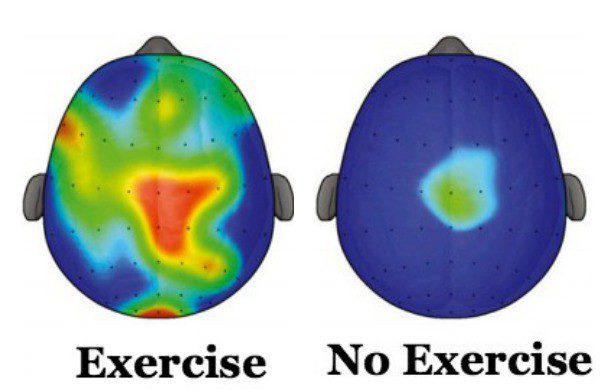
The problem is that becoming less active often makes you feel even more tired.
It becomes a vicious circle.
Now, this is where it’s important to listen to your body.
Sometimes your body genuinely needs a day off.
If you’ve had a poor night’s sleep, you’re coming down with something or you’ve been training hard for weeks, rest is often exactly what you need.
But don’t confuse “I don’t feel like it” with “my body needs rest.”
They’re not always the same thing.
I’ve lost count of the number of times I’ve gone for a walk or done a short workout when I really couldn’t be bothered.
I almost never regret it.
In fact, I’d be willing to bet that after a gentle 20-minute walk, you’ll have more energy than you did before you left the house.
It doesn’t have to be an intense workout.
Quite the opposite.
A gentle walk.
A short strength session.
An easy bike ride.
Often that’s all it takes to wake your body up.
The really nice thing is that regular exercise also helps many people sleep better.
So you end up creating a positive cycle.
You move more.
You sleep better.
You wake up feeling more refreshed.
You have more energy to move again tomorrow.
What to do
Lower the bar.
Don’t ask yourself whether you’ve got an hour.
Ask yourself whether you’ve got ten minutes.
Most of the time that’s enough to get started.
And once you’ve started, you’ll often feel like doing a little more.
7. There Could Be a Medical Reason
Most of the time, feeling tired comes down to a combination of sleep, stress, movement and the habits we’ve talked about above.
But not always.
Sometimes there is an underlying medical reason.
If you’ve been feeling unusually tired for several weeks, your energy levels have suddenly changed, or you’ve made some positive lifestyle changes and nothing seems to be improving, it’s worth having a chat with your GP.
Things like low iron, vitamin deficiencies, thyroid problems and sleep apnoea can all leave you feeling exhausted.
There’s no prize for trying to push through it.
Get it checked.
Where Would I Start?
One mistake I see people make is trying to fix everything at once.
They decide they’re going to eat perfectly.
Exercise every day.
Go to bed earlier.
Drink more water.
Meditate.
Cut out alcohol.
It lasts about a week.
Then life gets busy and they’re back where they started.
Instead, pick one thing.
Just one.
Go to bed half an hour earlier.
Take a ten-minute walk after work.
Improve your lunch.
Drink another bottle of water during the day.
Those small wins build confidence.
Confidence builds consistency.
And consistency is what gets results.
As simple as that.
Final Thoughts
One thing I’ve learned after 16 years of helping people improve their health is that feeling tired doesn’t usually mean you’re lazy.
Far from it.
The people I work with are some of the busiest people I know.
They’re running businesses.
Leading teams.
Looking after children.
Supporting ageing parents.
Trying to fit exercise into an already full diary.
No wonder they feel tired.
The answer usually isn’t to push harder.
It’s to take a step back and look at the basics.
How are you sleeping?
How are you managing stress?
Are you moving enough?
Are you eating well most of the time?
Are you drinking enough water?
Sometimes the smallest changes have the biggest impact.
Health should support life, not compete with it.
If you improve just one of these areas over the next week, there’s a good chance you’ll start to notice the difference.
Keep it simple.
Be kind to yourself.
Consistency is key.
Frequently Asked Questions
Is it normal to feel more tired after 40?
Energy levels can change as you get older, but feeling tired all the time shouldn’t simply be accepted as part of getting older. Lifestyle habits, stress, sleep and medical conditions are often involved.
Can exercise really give you more energy?
It sounds backwards, but yes. While a hard workout can leave you feeling tired, regular moderate exercise often improves energy levels, mood and sleep quality. Even a 20-minute walk can make a noticeable difference.
How much exercise do I need?
Most people don’t need hours in the gym. Two or three strength sessions each week, regular walks and generally being more active throughout the day is a great place to start.
When should I see my GP?
If your tiredness is severe, comes on suddenly, lasts for several weeks despite making lifestyle changes, or is accompanied by other symptoms such as unexplained weight loss, shortness of breath or persistent pain, it’s worth booking an appointment.
Need a Hand?
If you’re over 40 and struggling with your energy, fitness or weight, you don’t need a perfect plan.
You need one that fits around your life.
That’s exactly what I help people do.
Simple habits.
Practical advice.
No extreme diets.
No spending hours in the gym.
Just a sustainable approach that helps you feel healthier, stronger and more energetic without sucking the fun out of life.
If you’d like to find out how I can help, get in touch. I’d love to hear from you.